




If you've made the switch to wool dryer balls—or you're considering it—you're probably wondering how long these natural fabric softeners actually last. The good news? Wool dryer balls are one of the most durable, cost-effective laundry products you can buy. With proper care, a quality set can last for years, handling over a thousand loads of laundry before needing replacement.
Unlike single-use dryer sheets that create ongoing waste and expense, wool dryer balls offer a sustainable alternative that keeps working load after load. But like any product, they don't last forever. Understanding their lifespan, limitations, and maintenance needs helps you get maximum value while keeping your laundry routine as eco-friendly as possible.
Let's break down everything you need to know about wool dryer ball longevity.
What Are the Downsides of Dryer Balls?
Wool dryer balls have earned their reputation as an excellent natural alternative to chemical-laden dryer sheets and liquid fabric softeners. However, being an informed consumer means understanding both the benefits and limitations.
They don't add fragrance on their own. If you love stepping into a cloud of fresh-scented laundry, wool dryer balls won't deliver that experience by themselves. They're unscented, which is actually a feature for people with sensitive skin or fragrance allergies. However, you can add a few drops of your favorite essential oil to each ball before a cycle if scent matters to you.
Results vary by fabric type. Wool dryer balls work by physically separating clothes and improving airflow in the dryer. They're highly effective on cotton, linen, and everyday fabrics. However, you may notice less dramatic softening on synthetic materials or heavily soiled items. Managing expectations helps—they soften naturally rather than coating fibers with synthetic chemicals.
They can be noisy. The tumbling sound of wool balls bouncing around your dryer takes some getting used to. It's not disruptive for most people, but if your laundry area is near living spaces, you'll notice the gentle thumping. This is simply the sound of the balls doing their job.
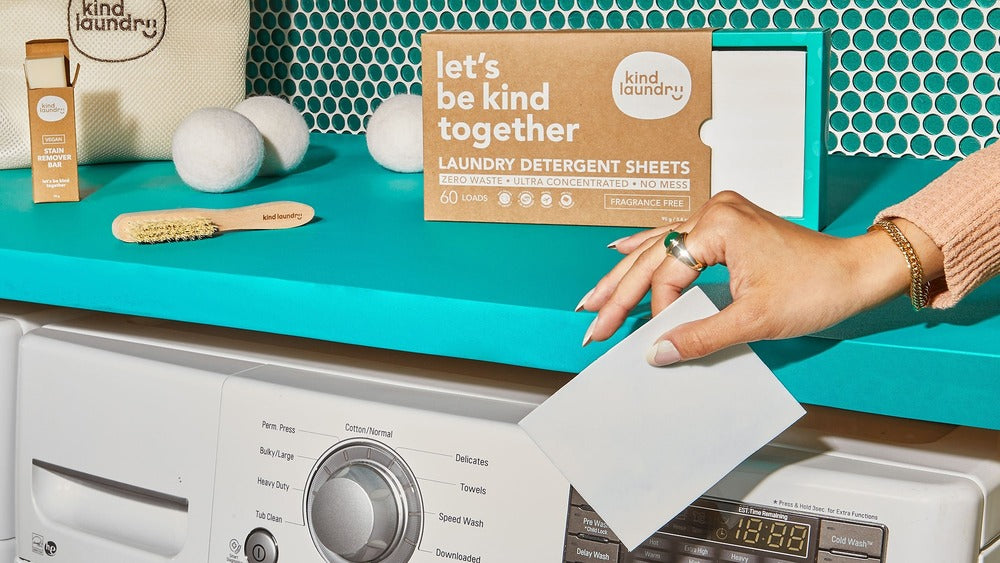
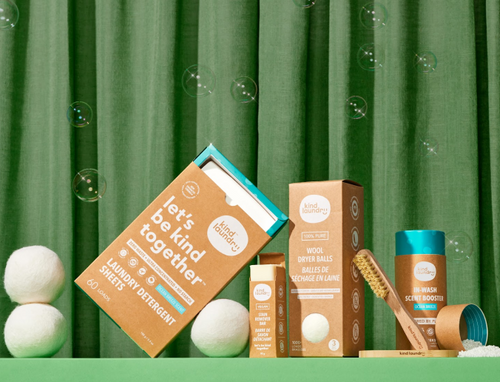
Initial investment is higher than dryer sheets. A pack of wool dryer balls costs more upfront than a box of disposable sheets. However, this comparison misses the bigger picture. When you factor in that quality wool dryer balls—like Kind Laundry's wool dryer balls, which can be reused over 1,000 times—the per-load cost drops to a fraction of a penny. Over time, you save significant money while reducing household waste.
They do eventually wear out. Nothing lasts forever, and wool dryer balls are no exception. After extensive use, they'll start showing signs of wear that affect performance. The key is knowing when that point arrives.
How Often Should I Replace My Wool Dryer Balls?
The lifespan of wool dryer balls depends on quality, usage frequency, and care. Here's what to expect and what signs tell you it's time for a fresh set.
General lifespan guidelines. High-quality wool dryer balls typically last between two and five years with regular use. For the average household doing five to seven loads per week, that translates to roughly 1,000 or more drying cycles. Kind Laundry's wool dryer balls are designed to hit this benchmark, offering 1,000+ uses while softening clothes naturally without any toxins or synthetic additives.
Signs your dryer balls need replacing:
-
Significant size reduction. Wool naturally compresses over time. If your dryer balls have shrunk noticeably—losing a quarter of their original size or more—they're becoming less effective at separating clothes and improving airflow.
-
Excessive pilling or unraveling. Some surface fuzz is normal and harmless. However, if large chunks of wool are coming off or the balls are visibly falling apart, they've reached the end of their useful life.
-
Hardening. Fresh wool dryer balls have a slight give when squeezed. If yours have become rock-hard, the fibers have compacted beyond the point of effective performance.
-
Longer drying times. When dryer balls stop doing their job efficiently, you'll notice clothes taking longer to dry. If you've ruled out other causes (like a clogged lint trap), worn-out dryer balls might be the culprit.
-
Persistent odor. Wool naturally resists odors, but over time, dryer balls can absorb smells that don't wash out. A musty or unpleasant scent that persists after rejuvenation is a sign to replace them.
Usage affects lifespan. Households that run their dryer daily will go through balls faster than those doing a few loads weekly. Similarly, consistently drying heavy items like towels and bedding puts more wear on the balls than lighter loads.
How Do You Rejuvenate Wool Dryer Balls?
Before you toss worn-looking dryer balls, try rejuvenating them. This simple process can restore performance and extend their useful life by months or even years.
The hot water refresh method. This is the most effective way to revive tired wool dryer balls:
-
Place your dryer balls in a pillowcase or mesh laundry bag and tie it closed. This prevents excess fiber loss during the wash.
-
Run them through a hot water wash cycle. The heat and moisture help the wool fibers relax and expand.
-
Immediately transfer them to the dryer and run on the highest heat setting until completely dry. This is crucial—any remaining moisture can lead to mildew.
-
Check the results. The balls should feel softer, fluffier, and closer to their original size.
How often to rejuvenate. For best results, refresh your wool dryer balls every 100 loads or so, or whenever you notice they're feeling dense and compacted. Think of it as routine maintenance that keeps them performing optimally.
The tennis ball trick. Some people toss a clean tennis ball into the dryer with their wool balls during the rejuvenation cycle. The extra agitation can help fluff and restore the wool fibers more effectively.
Essential oil refresh. If you use essential oils on your dryer balls, rejuvenating them also resets their ability to absorb and disperse scent. After refreshing, the wool becomes more receptive to oils again.
When rejuvenation isn't enough. If you've tried the refresh process and your dryer balls still seem ineffective, don't force it. At that point, it's time for replacement. The good news? Wool is biodegradable. Old dryer balls can be composted, used as dog toys, or repurposed for crafts—they don't have to end up in a landfill.
Making the Most of Your Investment
Wool dryer balls represent a small upfront investment that pays off significantly over time—both for your wallet and the environment. By choosing quality products like Kind Laundry's wool dryer balls, which are designed to soften clothes naturally for 1,000+ uses without any toxins, you're eliminating years of single-use dryer sheets from your routine.
A few final tips to maximize lifespan:
-
Use enough balls. Three to four balls work for small to medium loads; use six or more for larger loads. Proper coverage means each ball works less hard.
-
Clean your lint trap. A clogged dryer makes everything work harder, including your dryer balls.
-
Store them dry. If you won't be using your dryer for an extended period, store the balls in a breathable container in a dry location.
With proper care and occasional rejuvenation, your wool dryer balls will keep your laundry soft, static-free, and eco-friendly for years to come.