








When it comes to doing laundry, one of the most common questions is whether you should be washing clothes in cold water vs hot water. While it might seem like a small decision, water temperature plays a major role in how well your clothes are cleaned, how long they last, and even how much energy you use. Understanding cold vs hot water laundry — and when to choose a cold wash vs warm wash — can help you protect fabrics, remove stains effectively, and reduce your environmental footprint.
For decades, hot water was considered the gold standard for laundry. Today, advancements in detergents and washing machines mean that cold water is often just as effective. From delicate fabrics to heavily soiled items, there’s a right temperature for every load. In this guide, we’ll break down hot water vs cold water laundry, explore the benefits of each option, and share practical tips to help you get the best results every time.
Washing Clothes With Hot Water
Washing clothes in hot water is best reserved for specific situations where deep cleaning and sanitization are required. Hot water typically ranges from 130°F (54°C) and above and is effective at breaking down oils, grease, and heavy soil. Items like towels, bedding, reusable cleaning cloths, and underwear often benefit from a hot wash because it helps remove bacteria, allergens, and body oils.
In the cold water vs hot water laundry debate, hot water excels at tackling stubborn stains like grease, sweat, and heavy grime. However, it’s not suitable for all fabrics. Hot water can cause shrinking, fading, and wear over time, especially on delicate materials or brightly colored garments. It also uses significantly more energy, making it less eco-friendly for everyday loads.
When deciding between washing cold vs hot, think about fabric type, soil level, and care instructions. Hot water should be used intentionally — not automatically — to avoid unnecessary damage and energy use.
Benefits Of Hot Water
-
Better Sanitization: Hot water helps kill bacteria, dust mites, and allergens, making it ideal for towels and bedding.
-
Stronger Stain Removal: It’s more effective for oily, greasy, or heavily soiled stains.
-
Deep Cleaning Power: Hot water breaks down detergent more quickly, allowing it to penetrate fibers deeply.
-
Odor Elimination: Persistent odors are easier to remove with higher temperatures.
Washing Clothes With Warm Water
A warm wash falls between hot and cold, typically around 90–110°F (32–43°C). Warm water is often seen as a compromise in the cold vs warm water laundry conversation, offering decent cleaning power while being gentler than hot water. It works well for moderately soiled clothing, synthetic fabrics, and everyday loads that need a bit more cleaning than a cold wash can provide.
Warm water helps dissolve detergent efficiently and lifts dirt without being as harsh on fabrics. However, it can still cause some fading or shrinking over time, especially with natural fibers like cotton. When comparing warm vs cold water laundry, warm water uses more energy but may deliver better results for certain loads.
If you’re unsure whether to choose washing clothes in cold water vs hot water, warm water can be a safe middle ground — especially when dealing with mixed fabrics.
Washing Clothes With Cold Water
Cold water laundry has become the go-to choice for many households, and for good reason. Cold washes typically use water below 80°F (27°C) and are gentle on fabrics while still delivering effective cleaning when paired with the right detergent. In the washing clothes in cold water vs hot water debate, cold water stands out for everyday laundry.
Cold water helps preserve color, prevent shrinking, and extend the life of your clothing. It’s especially well-suited for dark colors, delicate fabrics, activewear, and lightly soiled garments. Modern detergents are designed to work efficiently in cold temperatures, meaning you don’t have to sacrifice cleanliness.
From an environmental perspective, cold vs hot water laundry clearly favors cold washes. Heating water accounts for a large portion of energy used in laundry, so washing cold vs hot significantly reduces energy consumption and utility costs.
Benefits Of Cold Water
-
Fabric Protection: Reduces fading, shrinking, and fiber breakdown.
-
Energy Efficiency: Uses far less energy than hot or warm washes.
-
Color Preservation: Keeps dark and bright colors looking newer for longer.
-
Lower Environmental Impact: Cuts down on carbon emissions associated with heating water.
-
Everyday Convenience: Ideal for most regular loads with light to moderate soil.
Why Kind Laundry Works in Both Hot and Cold Water
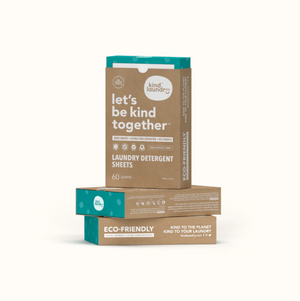
Kind Laundry detergent sheets are designed to perform exceptionally well in both hot and cold water washes. Unlike traditional liquid or powder detergents, detergent sheets dissolve quickly and evenly — even in cold temperatures — ensuring consistent cleaning power regardless of your wash setting.
This makes Kind Laundry an ideal choice for anyone navigating the hot water vs cold water laundry decision. The ultra-concentrated, pre-measured sheets activate on contact with water, allowing the plant-based cleaning agents to penetrate fabrics effectively without relying on high heat. Whether you’re doing a cold wash to protect your clothes or a hot wash for deeper cleaning, Kind Laundry delivers powerful results with fewer harsh chemicals.
Plus, the lightweight, plastic-free format reduces waste and transportation emissions, aligning perfectly with energy-saving cold washes and mindful laundry habits.
How is Kind Laundry Different
At first glance, laundry detergent might seem like a simple household staple — but what’s inside (and what’s left out) makes a world of difference. Kind Laundry detergent sheets were created to reimagine how laundry detergent works, combining powerful performance with thoughtful, lower-impact ingredients. From advanced enzymes to plant-derived cleansers and fabric conditioners, every component plays a role in delivering a clean you can feel good about.
Powered by Advanced Enzymes
At the core of Kind Laundry’s cleaning power are enzymes, including protease (often referred to as pro-tease). These naturally occurring proteins work at the microscopic level to break down stains rather than masking them. Protease enzymes are particularly effective at lifting protein-based, set-in stains like sweat, food, grass, and blood.
Unlike traditional detergents that rely heavily on heat, enzymes activate as soon as they come into contact with water. This allows Kind Laundry detergent sheets to work effectively in both cold and hot water, supporting energy-saving cold washes without compromising on performance.
A Closer Look at Kind Laundry’s Ingredients
Kind Laundry uses a carefully balanced blend of plant-based, functional, and performance-driven ingredients — each chosen for a specific purpose.
-
Enzymes: Target and lift stubborn, set-in stains at the source for deeper cleaning.
-
Camellia Japonica: A natural softener and degreaser that helps loosen oily residue while keeping fabrics smooth and supple.
-
Sunflower Seed Oil: Naturally softens fabrics and helps prevent stiffness, contributing to a softer feel after washing.
-
Sapindus Mukorossi (Soapnut Extract): A natural cleansing agent that effectively removes dirt and grime while being gentle on fabrics.
-
Cocamidopropyl Betaine: A coconut-derived cleanser that provides antistatic benefits and gentle foaming to lift soils without irritation.
-
Citric Acid Monohydrate: Balances pH levels to optimize cleaning performance while remaining gentle on skin and textiles.
-
Polyvinyl Alcohol (PVA): A water-soluble binder that holds the sheet together and dissolves completely in the wash, ensuring even detergent distribution.
-
Sodium Dodecyl Sulfate (SDS): A foaming agent that helps loosen dirt and oils so they can be rinsed away effectively.
-
Decyl Glucoside: A plant-derived cleansing and emulsion-stabilizing agent that supports effective cleaning with a low irritation profile.
-
Fatty Alcohol Polyglycol Ether: Helps emulsify oily soils, allowing them to be lifted from fabrics and washed away.
-
Glycerol (Glycerin): Delivers a soft, conditioned feel to fabrics and helps prevent dryness or brittleness.
-
Water: Used in the formulation process and common to virtually all personal and home care products.
Together, these ingredients create a detergent that is tough on stains, gentle on skin, and kind to fabrics — all without relying on unnecessary fillers.
Free From the Harsh Stuff
Just as important as what Kind Laundry includes is what it intentionally leaves out. Many conventional detergents rely on harsh additives that can irritate skin, wear down fabrics, and pollute waterways.
Kind Laundry detergent sheets are free from:
-
Phosphates
-
Chlorine bleach
-
Optical brighteners
-
Parabens
-
Phthalates
-
Added dyes
-
Harsh preservatives
-
Single-use plastic jugs
This makes them a thoughtful choice for sensitive skin, families, and anyone looking to reduce unnecessary chemical exposure.
A Smarter, More Sustainable Format
Beyond the formula, the detergent sheet format itself sets Kind Laundry apart. Ultra-lightweight and pre-measured, the sheets eliminate spills, overdosing, and bulky plastic packaging. They dissolve fully in both cold and hot water, leave no residue behind, and significantly reduce transportation emissions due to their compact size.
The result is a laundry detergent that delivers powerful performance with a lighter footprint — proving that effective cleaning and mindful ingredients can go hand in hand.
Tips for Washing Clothes
Read the Label
Clothing care labels are your best guide when choosing between cold vs warm water laundry or hot washes. Labels specify the recommended water temperature, cycle, and drying method to help maintain fabric integrity. Ignoring these instructions can lead to shrinking, fading, or damage — especially when washing cold vs hot incorrectly. By following care labels, you ensure your clothes are cleaned effectively while lasting longer, regardless of water temperature.
Treat Stains Before Washing
Pre-treating stains is essential, particularly when opting for cold water washes. Cold water doesn’t break down oils as easily as hot water, so addressing stains beforehand improves results. Apply a stain remover or gentle detergent directly to the affected area and let it sit before washing. This step reduces the need for hot water, helping you balance washing clothes in cold water vs hot water while still achieving a thorough clean.
Sort Laundry Beforehand
Sorting laundry by color, fabric type, and soil level helps you choose the right wash temperature for each load. Heavily soiled items may need warm or hot water, while darks and delicates benefit from cold washes. Proper sorting minimizes color bleeding and fabric damage, making the cold vs hot water laundry decision simpler and more effective every time.
Don't Overload the Washing Machine
Overloading your washing machine can prevent clothes from moving freely, which reduces how effectively detergent and water circulate through the load. When fabrics are packed too tightly, dirt and detergent residue are more likely to remain trapped — especially during cold water washes. Leaving enough space allows water temperature, whether cold, warm, or hot, to work as intended. Proper load sizing improves cleaning performance, protects fabrics from excessive friction, and helps ensure consistent results when washing clothes in cold water vs hot water.
Use the Right Amount of Detergent
Using too much detergent doesn’t mean cleaner clothes — in fact, it can do the opposite. Excess detergent may not rinse out fully, particularly in cold water, leading to buildup, stiffness, and irritation. Using the correct amount ensures detergent can dissolve properly and activate effectively, regardless of wash temperature. This is especially important when comparing cold wash vs warm wash cycles, as modern detergents are formulated to clean efficiently without overuse. Kind Laundry pre-measured detergent sheets make this step simple and mess-free.
Choose the Right Wash Cycle
Wash cycles matter just as much as water temperature. Delicate, normal, and heavy-duty cycles control agitation and spin speed, which directly impact fabric wear and cleaning power. Pairing the correct cycle with the right temperature — such as cold water for delicates or warm water for everyday cottons — improves results and extends garment life. When deciding between warm vs cold water laundry or washing cold vs hot, always consider the cycle setting as part of the equation.
Clothes Turn Clothes Inside Out
Turning clothes inside out before washing helps protect colors, prints, and fibers from friction and fading. This is especially helpful when washing in cold water, as it allows detergent to better reach sweat, oils, and residue that build up on the inside of garments. Inside-out washing also reduces wear on visible surfaces, making it a simple habit that complements both cold and hot water laundry routines while keeping clothes looking newer for longer.
Final Thoughts
Choosing between cold water vs hot water laundry doesn’t have to be complicated. The key is understanding when each wash temperature works best. For most everyday loads, washing clothes in cold water vs hot water helps preserve fabric quality, prevent color fading, and significantly reduce energy use. Cold washes are ideal for delicates, dark colors, and lightly soiled clothing, while warm and hot water remain useful for heavily soiled items, towels, and bedding that need a deeper clean.
When comparing cold wash vs warm wash or washing cold vs hot, fabric type, stain level, and care labels should always guide your decision. Simple habits like reading labels, pre-treating stains, and sorting laundry properly make a noticeable difference in cleaning results — regardless of temperature.
Thanks to modern detergent innovations, you no longer have to rely on heat alone. Enzyme-powered solutions like Kind Laundry detergent sheets are designed to work effectively in hot water vs cold water laundry, giving you flexibility without compromising performance. The result is cleaner clothes, longer-lasting fabrics, and a more energy-conscious routine — proving that smarter laundry starts with choosing the right temperature and the right detergent.