




Bringing home a new baby means falling in love with the tiniest outfits — the little onesies, the soft swaddle blankets, the socks that somehow disappear within 24 hours of entering your home. It also means doing a lot more laundry than you ever thought possible.
But washing baby clothes isn't quite like washing your own. Newborn skin is delicate, sensitive, and still developing its natural protective barrier. The wrong detergent, a harsh fragrance, or a forgotten stain can mean irritated skin, rashes, or ruined clothing. The good news? With the right approach and the right products, washing baby clothes can be simple, safe, and even eco-friendly.
This guide covers everything you need to know — from washing baby clothes for the first time before your little one arrives, to establishing a safe, gentle laundry routine that works for your whole family.
Why Baby Laundry Requires Special Attention
Before we get into the how-to, it's worth understanding why baby laundry is different from adult laundry.
Newborn skin is uniquely sensitive. A baby's skin is thinner, more permeable, and more reactive than adult skin. The natural acid mantle — the protective barrier that guards skin against bacteria and irritants — is still developing in the first weeks of life. This means that residue from conventional laundry detergents, including synthetic fragrances, optical brighteners, and harsh surfactants, can be absorbed more easily and cause reactions like eczema flare-ups, contact dermatitis, or general redness and irritation.
Fragrance is one of the top skin allergens. According to dermatologists, fragrance is among the most common causes of allergic contact dermatitis in infants. Most conventional laundry detergents — even ones marketed as "gentle" — contain synthetic fragrance compounds. These linger on fabric fibers long after washing and can transfer directly to your baby's skin.
Baby clothes pick up more than you think. Spit-up, breast milk or formula, diaper blowouts, pureed sweet potato — baby clothes are exposed to a wide range of organic stains that can set quickly and become very difficult to remove if not treated correctly.
The solution isn't to use harsh stain removers and hot water — it's to use smart, gentle products designed to tackle these challenges without compromising your baby's safety.
How Do You Wash Baby Clothes for the First Time?
One of the most common questions new parents ask is: do I really need to wash baby clothes before my baby wears them? The short answer is yes — absolutely yes.
Even brand-new baby clothing can contain residues from the manufacturing process: sizing agents (chemicals used to give fabrics body and stiffness), formaldehyde-based wrinkle treatments, dyes, and dust or allergens accumulated during shipping and storage. None of these belong anywhere near your newborn's skin.
Here's how to wash baby clothes for the first time, step by step.
Step 1: Sort and Check Clothing Labels
Before washing anything, sort baby clothes by color (darks, lights, and whites) and check the care labels. Most baby clothing is made from cotton or cotton blends and can be machine washed on a gentle or delicate cycle. Some items — like wool sleep sacks or hand-knit blankets — may require handwashing or cold water only.
Keep an eye out for:
-
Delicate embellishments (buttons, appliqués, bows) — these should go in a mesh laundry bag
-
White or pale clothing — wash separately to avoid dye transfer
-
Small items — socks, booties, and tiny hats are notorious for disappearing or tangling in the machine
Step 2: Use a Gentle, Fragrance-Free Detergent
This is the single most important choice you'll make when washing baby clothes. Skip the conventional detergents — even "free and clear" versions from mainstream brands can still contain enzymes, optical brighteners, or plant-derived fragrances that can irritate sensitive skin.
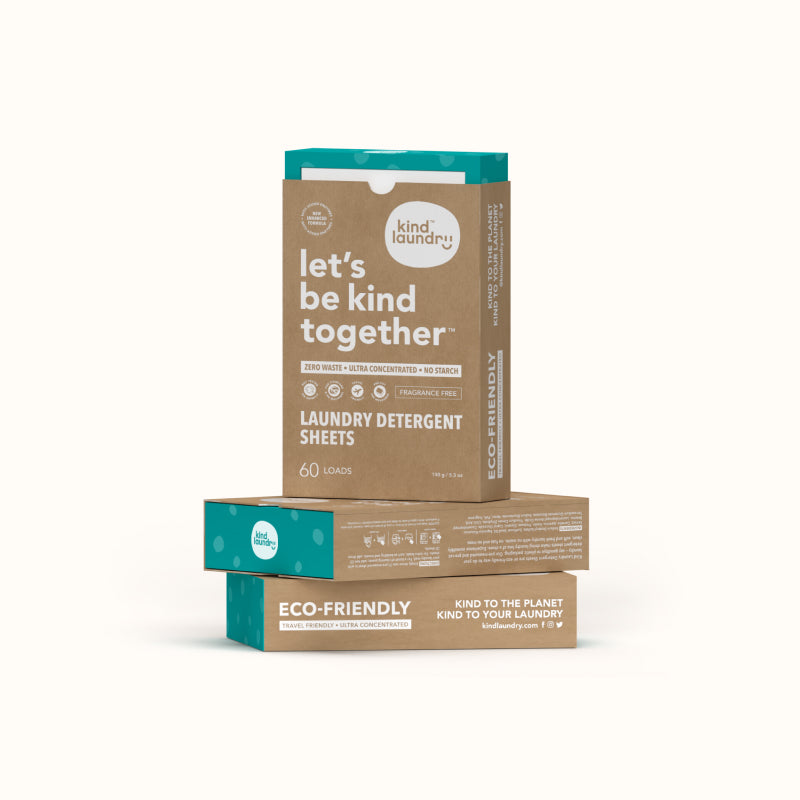
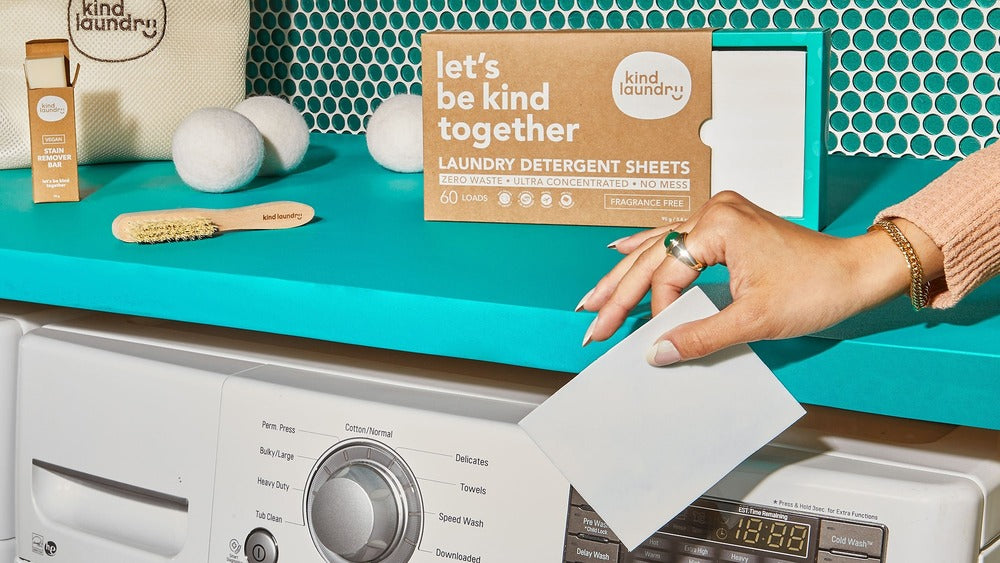
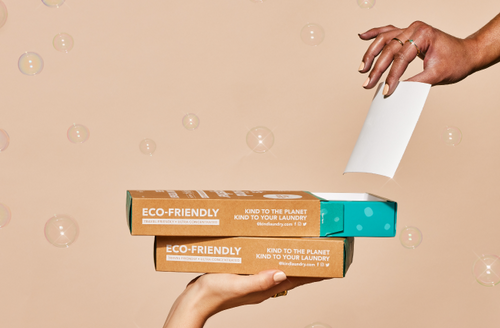
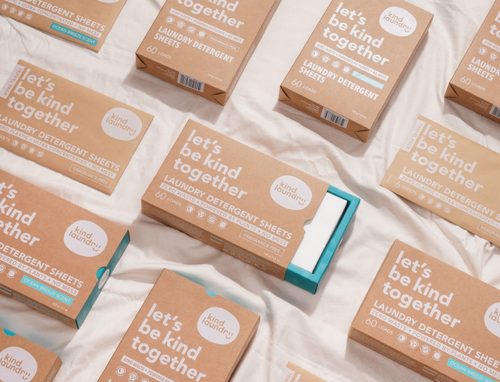
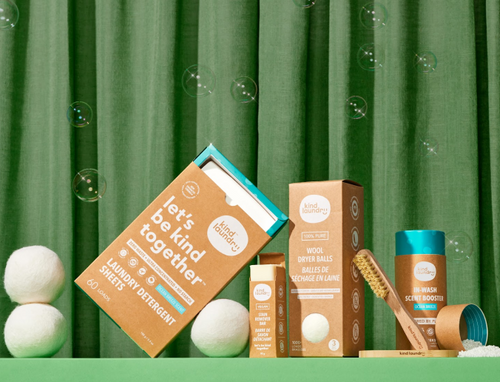
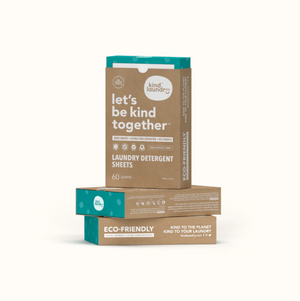
Kind Laundry's Fragrance Free Detergent Sheets are an excellent choice for baby laundry. Unlike liquid or powder detergents, these pre-measured dissolvable sheets contain no harsh fillers, no synthetic fragrance, and no dyes. They're hypoallergenic, dermatologist-tested, and specifically formulated to be gentle on sensitive skin — including newborn skin.
They're also incredibly convenient. No measuring, no heavy plastic jugs, and no mess. Simply toss one sheet (or half a sheet for smaller loads) directly into the drum before adding clothes, and you're done. Because they're pre-measured, there's no risk of using too much detergent — a common problem that can leave residue on fabric fibers.
For the very first wash, always use fragrance-free detergent. Even after your baby is a few months old and their skin has become more resilient, staying with a fragrance-free formula is a smart long-term choice.
Step 3: Use a Mesh Laundry Bag for Small Items
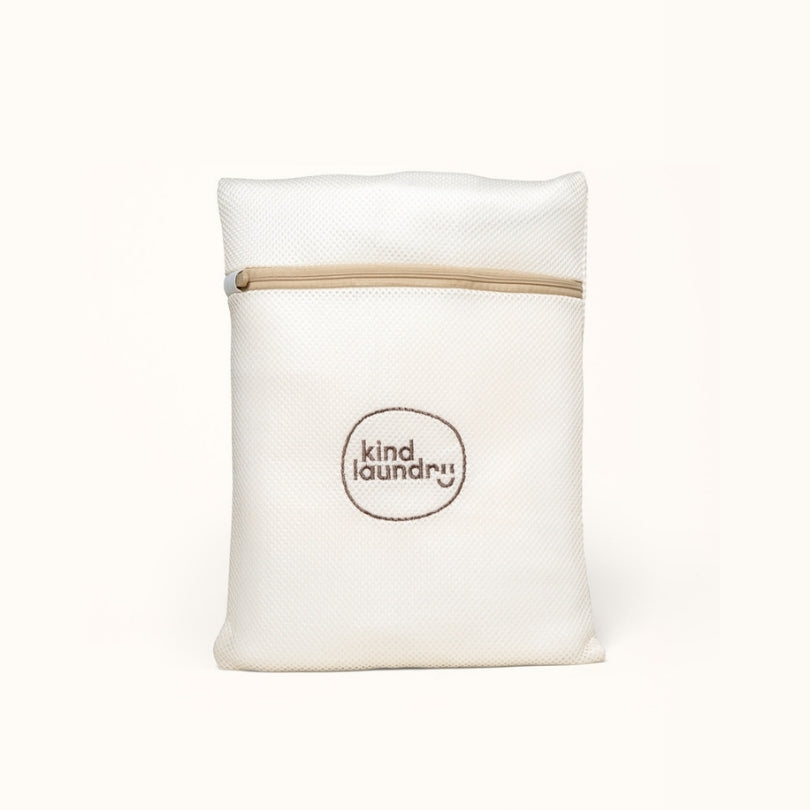
Tiny baby socks are legendary for vanishing in the wash. A Kind Laundry Mesh Laundry Bag solves this problem entirely.
Before loading the machine, place all small items — socks, mittens, booties, bibs, and delicate items with embellishments — into the mesh bag and zip it closed. This keeps everything contained, prevents small items from getting trapped in the drum or filter, and keeps sock pairs together so you're not spending twenty minutes searching for a match at 3 AM.
Mesh bags also protect delicate fabrics and embellishments from the agitation of the wash cycle, extending the life of your baby's clothing. For items like knit sleep sacks, lace-trimmed onesies, or anything with snaps and zippers, the mesh bag is your best friend.
Step 4: Select the Right Wash Settings
For the first wash — and generally for all baby laundry — use:
-
Water temperature: Cold or warm (30°C/86°F). Hot water can shrink cotton baby clothes and is rarely necessary for sanitation purposes when using an effective detergent.
-
Cycle: Gentle or delicate
-
Spin speed: Low to medium — high spin speeds can stress delicate fabrics and cause pilling
One exception: if your baby has been ill or if you're dealing with particularly stubborn diaper blowout stains, a warm wash (not hot) can be appropriate.
Step 5: Dry Correctly
Air drying is always the gentlest option for baby clothes, and it's better for the environment too. Lay flat or hang to dry, especially for items that may shrink.
If you use a tumble dryer, use the lowest heat setting and remove items while they're still slightly damp to prevent over-drying and shrinkage. Avoid dryer sheets — they coat fabric fibers with chemicals and fragrance that you really don't want on baby clothes.
Is It Okay to Wash Baby Clothes in the Washing Machine?
Yes — with a few important caveats.
The washing machine is absolutely fine for the vast majority of baby clothing. Modern gentle and delicate cycles are designed to handle soft, delicate fabrics with care. In fact, for busy parents, the washing machine is not just acceptable — it's essential.
Here's what you need to know to use the washing machine safely for baby laundry.
Choose the Right Cycle
Always select the gentle or delicate cycle for baby clothes. These cycles use less agitation and a slower spin speed, which is kinder to small, soft garments and helps them maintain their shape and softness over time.
Avoid the standard or heavy-duty cycle for baby clothing — the increased agitation can cause pilling, shrinkage, and wear on fabric fibers.
Temperature Matters
Cold water is your default for baby laundry. It's effective at cleaning when paired with a good detergent, it's gentler on fabrics, and it's better for the environment. The Kind Laundry Fragrance Free Detergent Sheets are designed to dissolve and work effectively in cold water, so you're not sacrificing cleaning power by skipping the hot wash.
Warm water (not hot) can be used for:
-
Very soiled items
-
When baby has been sick
-
Cloth diapers (though these have their own care guidelines)
Protect Small Items and Delicates
This is where the Kind Laundry Mesh Laundry Bag becomes non-negotiable. Washing machines have filters, drums, and agitators that can swallow tiny socks, tangle delicate items, and snag embellishments.
Use a mesh laundry bag for:
-
All socks and booties
-
Mittens and hats
-
Anything with buttons, bows, or appliqués
-
Delicate knit or crochet items
-
Swimwear and items with elastic
Tip: designate one mesh bag specifically for baby socks and commit to always putting socks in it the moment you take them off your baby. It will change your laundry life.
Don't Overload the Machine
Baby clothes may be small, but overloading the washing machine means clothes don't get properly cleaned — detergent doesn't distribute evenly and items don't get enough water circulation. A medium load of baby clothes is ideal.
Skip the Fabric Softener
Fabric softeners coat fabric fibers with a waxy residue that can irritate sensitive baby skin. They also reduce the absorbency of items like towels, burp cloths, and cloth diapers — exactly the things you want working at full capacity.
Instead, if you want softer baby clothes, try:
-
Adding half a cup of white distilled vinegar to the rinse cycle (safe, natural, and effective)
-
Ensuring you're not using too much detergent (residue buildup makes fabrics feel stiff)
-
Air drying on a rack rather than using high dryer heat
How To Tackle Baby Laundry Stains
Let's talk about the thing all new parents dread: the blowout. Or the spit-up that missed the burp cloth entirely. Or the sweet potato that somehow ended up on the collar.
Baby stains are relentless, but they don't have to be permanent — especially if you treat them quickly.
The Golden Rule: Act Fast
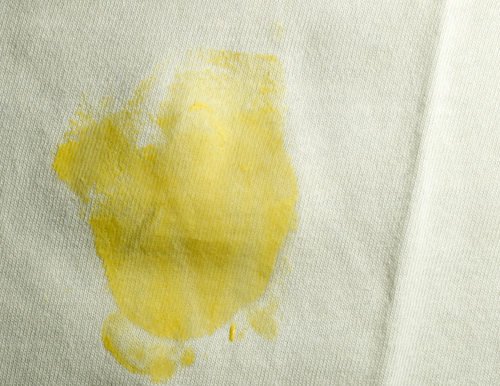
The longer a stain sits, the harder it is to remove. The moment you see a stain, rinse the area with cold water (never hot — heat sets protein-based stains like milk and formula) and treat it before tossing it in the laundry pile.
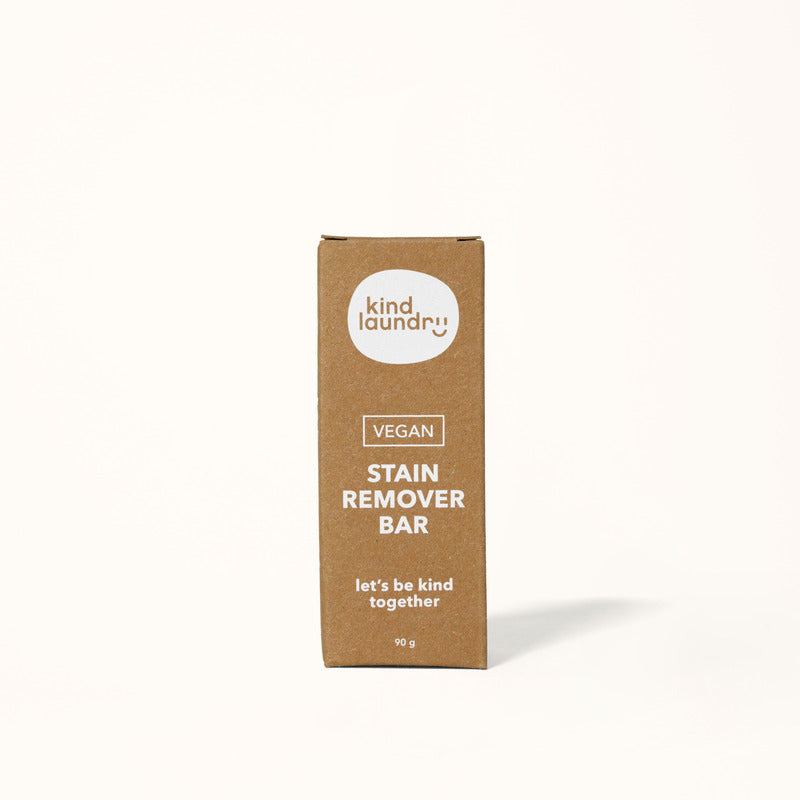
Use the Kind Laundry Vegan Stain Remover Bar
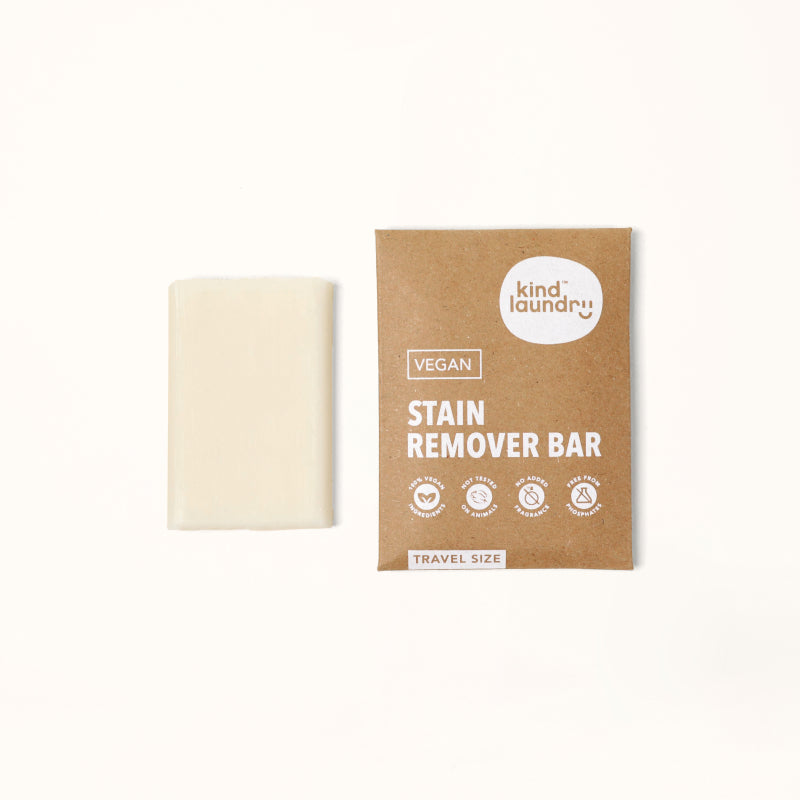
The Kind Laundry Vegan Stain Remover Bar is a game-changer for baby laundry. It's formulated without harsh chemicals, synthetic fragrances, or animal-derived ingredients — making it safe to use on clothing that will be in direct contact with your baby's skin.
Here's how to use it:
-
Dampen the stained area with cool water
-
Rub the Stain Remover Bar directly onto the stain, working it in gently with your fingers or a soft brush
-
Let it sit for 5–10 minutes (for tougher stains, leave up to 30 minutes)
-
Wash as normal using your Kind Laundry Fragrance Free Detergent Sheet
The bar is especially effective on:
-
Breast milk and formula stains — protein-based and notoriously stubborn
-
Baby food and purée stains — colorful and quick to set
-
Diaper stains — the kinds we won't describe in detail, but you know what we mean
-
Drool and saliva stains — which can yellow over time if not treated
Keep the Stain Remover Bar somewhere accessible — near the changing table or in the laundry room — so it's within reach the moment disaster strikes.
Tips for Specific Baby Stains
Breast milk / formula: Rinse with cold water immediately. Avoid hot water, which cooks the protein and sets the stain. Treat with the Stain Remover Bar and wash in cold water.
Baby food / purées: Scrape off excess first, then rinse with cold water. Treat with the Stain Remover Bar. For stubborn pigmented stains (like carrot or beet), sunlight can be a natural brightener — hang the damp item in direct sunlight before washing.
Diaper stains: Rinse thoroughly first. Treat with the Stain Remover Bar and let it sit. Wash on a warm cycle.
Spit-up: Act immediately. Blot (don't rub) excess away, rinse with cold water, treat with the Stain Remover Bar, and wash promptly.
Should You Wash Baby Clothes Separately from the Rest of the Family's Laundry?
This is a personal choice, but many pediatricians and dermatologists recommend washing baby clothes separately — at least in the newborn stage.
The main reasons:
-
Detergent consistency: If you're using a fragrance-free detergent for baby, you want to ensure no cross-contamination from family loads washed with scented detergents
-
Cycle control: Baby clothes need the gentle cycle; adult jeans and towels do not
-
Load size: Baby clothes are often best washed in small, separate loads
As your baby grows and their skin becomes more resilient (typically around 3–6 months), many parents transition to washing baby clothes alongside the rest of the family laundry — especially when using a gentle, fragrance-free detergent like Kind Laundry's Detergent Sheets for the whole household.
Building a Sustainable Baby Laundry Routine
New parents are often surprised by just how much laundry a tiny human generates. A newborn can go through 8–10 outfit changes a day in those early weeks. That's a lot of washing — and a lot of opportunity to make eco-conscious choices.
Kind Laundry's products are designed with sustainability in mind:
-
Fragrance Free Detergent Sheets come in plastic-free, compostable packaging — no more plastic jugs contributing to landfill or microplastics in waterways
-
Vegan Stain Remover Bar is a concentrated, long-lasting format with minimal packaging — far less waste than liquid stain sprays in plastic bottles
-
Mesh Laundry Bags extend the life of baby clothing by protecting fabrics during washing, which means less frequent replacement and less textile waste
Choosing gentler, more sustainable products from the start isn't just better for your baby — it's better for the planet they'll inherit.
Quick Reference: Baby Laundry Checklist
Before baby arrives:
-
Wash all new clothing, bedding, and fabric items before first use
-
Use Kind Laundry Fragrance Free Detergent Sheets
-
Place small items in a Kind Laundry Mesh Laundry Bag
-
Select gentle or delicate cycle, cold or warm water
-
Air dry or tumble dry on low heat
-
Skip fabric softener and dryer sheets
For ongoing baby laundry:
-
Treat stains immediately with the Kind Laundry Vegan Stain Remover Bar
-
Always use fragrance-free, hypoallergenic detergent
-
Keep mesh bag stocked with socks and small items
-
Check care labels before washing
-
Wash darks and lights separately
-
Avoid overloading the machine
Final Thoughts
Washing baby clothes doesn't have to be complicated — but it does deserve a little extra thought. Starting with the right products, the right settings, and a simple routine means your baby's clothes will be clean, soft, and safe from day one.
Kind Laundry's Fragrance Free Detergent Sheets, Vegan Stain Remover Bar, and Mesh Laundry Bags work together as a complete baby laundry system that's gentle on your baby's skin, tough on the stains that come with new parenthood, and kind to the planet.
Because the most important thing your baby wears next to their skin should be nothing but clean, safe, and soft.