




Laundry detergent sheets sound almost too simple: one lightweight sheet, one load of laundry, no measuring and no bulky plastic jug. But if you have spent years relying on liquid detergent or powder, it is reasonable to wonder whether something so thin can actually clean a full load of clothes.
So, do laundry sheets really work?
The short answer is yes—well-formulated laundry detergent sheets can effectively clean everyday laundry when they are used correctly. But, as with liquid, powder and pods, not every formula performs the same way. Cleaning results depend on what is inside the sheet, how much detergent you use, the size and soil level of the load, your water conditions and whether difficult stains are pretreated.
Understanding those details can help you decide whether detergent sheets are right for your household—and get better results if you decide to make the switch.
What Are Laundry Detergent Sheets?
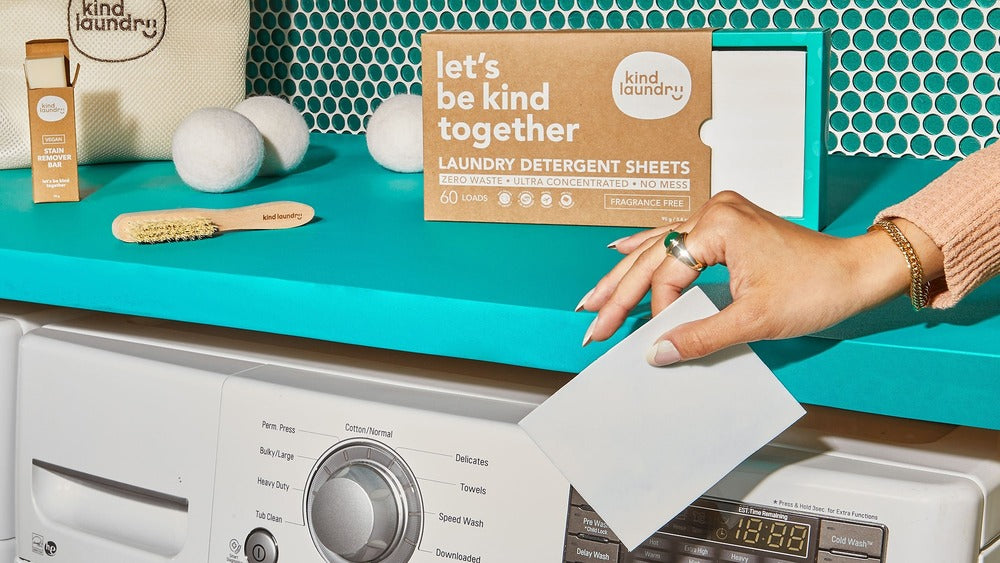
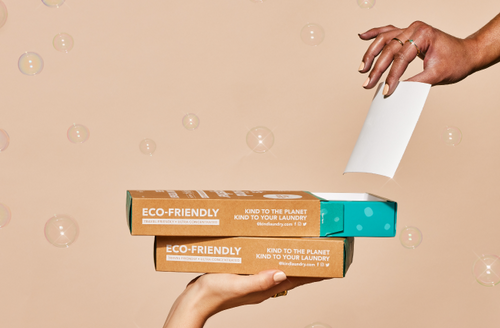
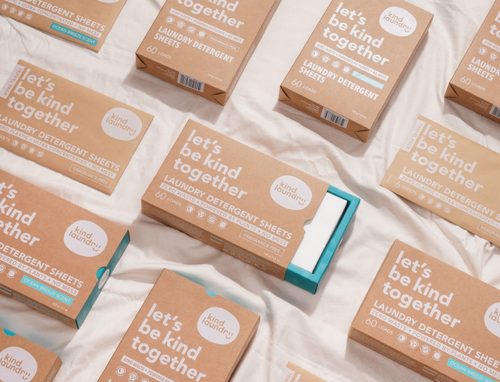
Laundry detergent sheets—also called laundry strips—are concentrated, pre-measured sheets of detergent designed to dissolve during the wash cycle. Rather than pouring detergent from a bottle or scooping it from a box, you place the recommended amount of sheet directly into the washing machine and add your clothing.
Although they look different from traditional detergent, their purpose is the same: to loosen soil, oils, odours and stains from fabric so these can be carried away in the wash water.
Their compact format changes how the detergent is stored and dosed. Because sheets are lightweight and flat, they take up very little room in a laundry area, cupboard, dorm room, suitcase or RV. They also eliminate the need to lift, pour and store a heavy liquid detergent bottle.
That convenience is a large part of their appeal—but it does not answer the most important question: can they clean?

How Do Laundry Sheets Clean Clothes?
A laundry sheet begins to break down when it comes into contact with water. As it dissolves, it releases its cleaning ingredients into the wash.
The precise formula varies from one brand to another, but detergent sheets may include surfactants, which help lift oils and grime from fabric, as well as enzymes that target particular types of stains. Once loosened, the soil can remain suspended in the water until it is rinsed away instead of settling back onto clothing.
This is why the quality of the formula matters more than the physical appearance of the detergent. A detergent does not need to be a thick liquid or a large scoop of powder to work. It needs an effective concentration of appropriate cleaning agents, enough water and movement to distribute them, and the correct dose for the load.
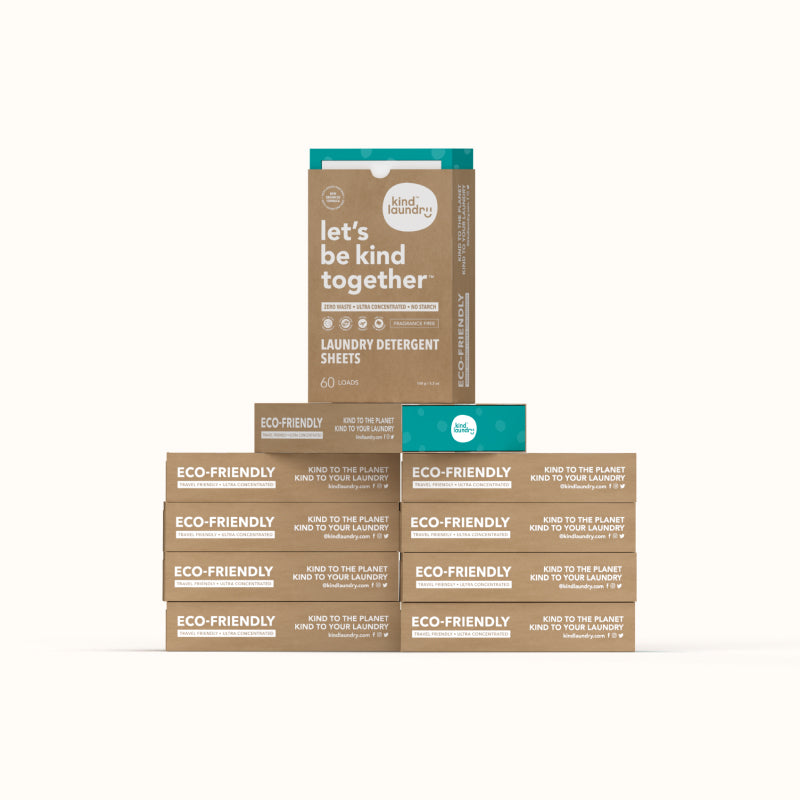
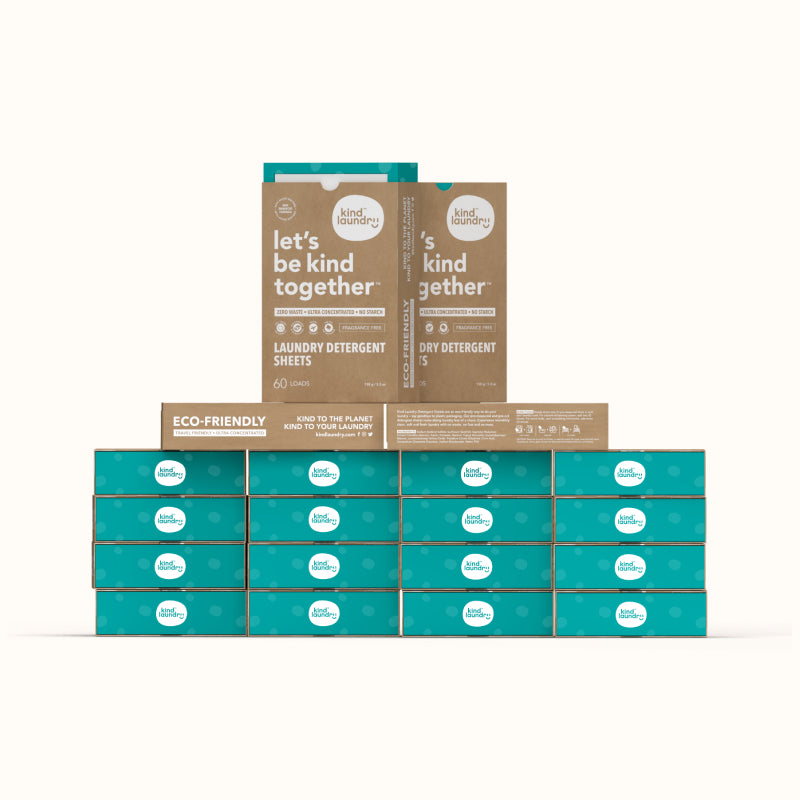
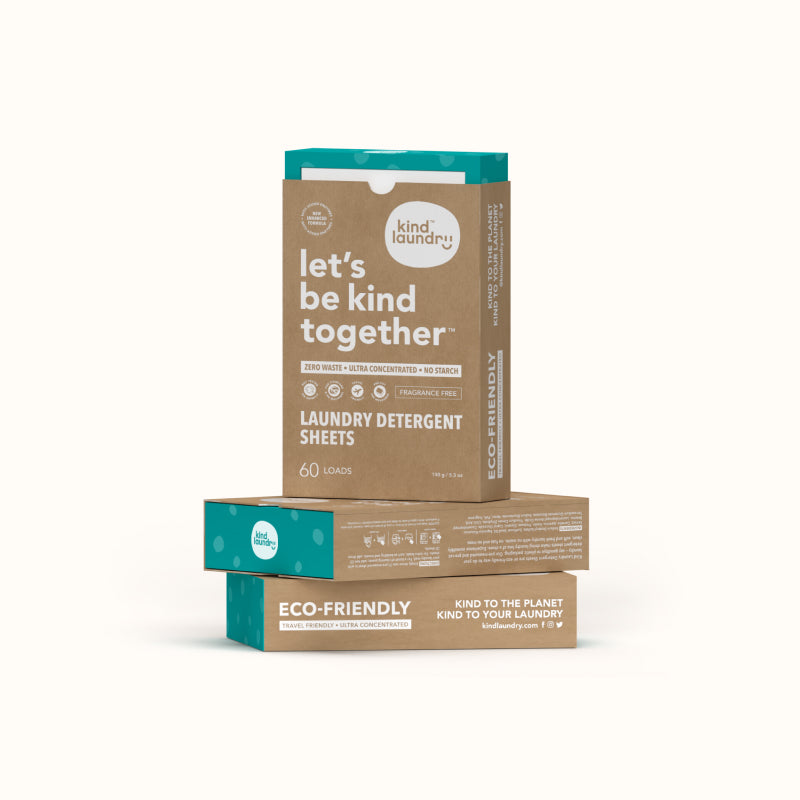
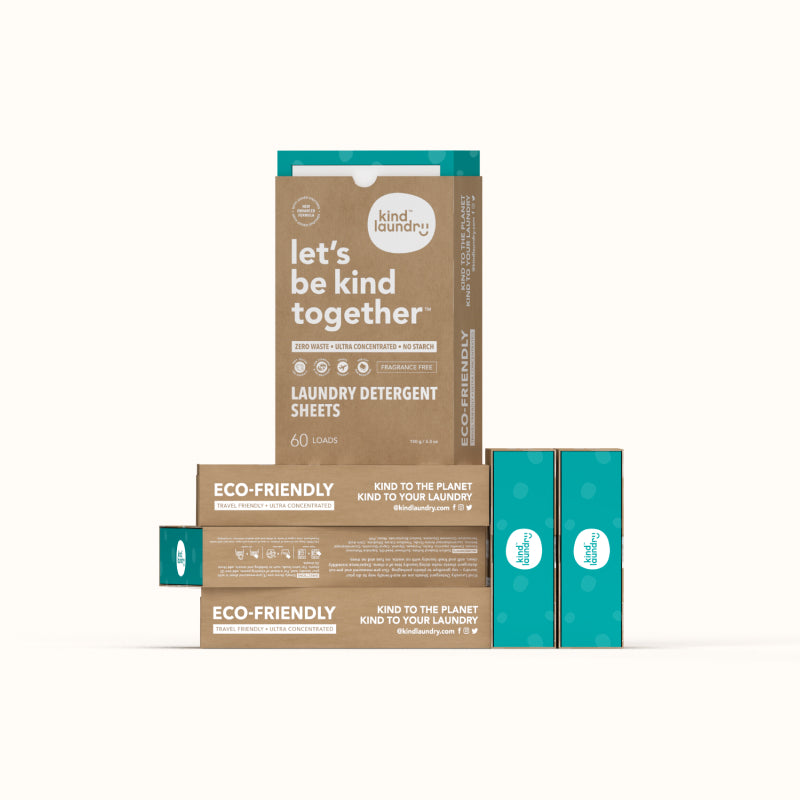
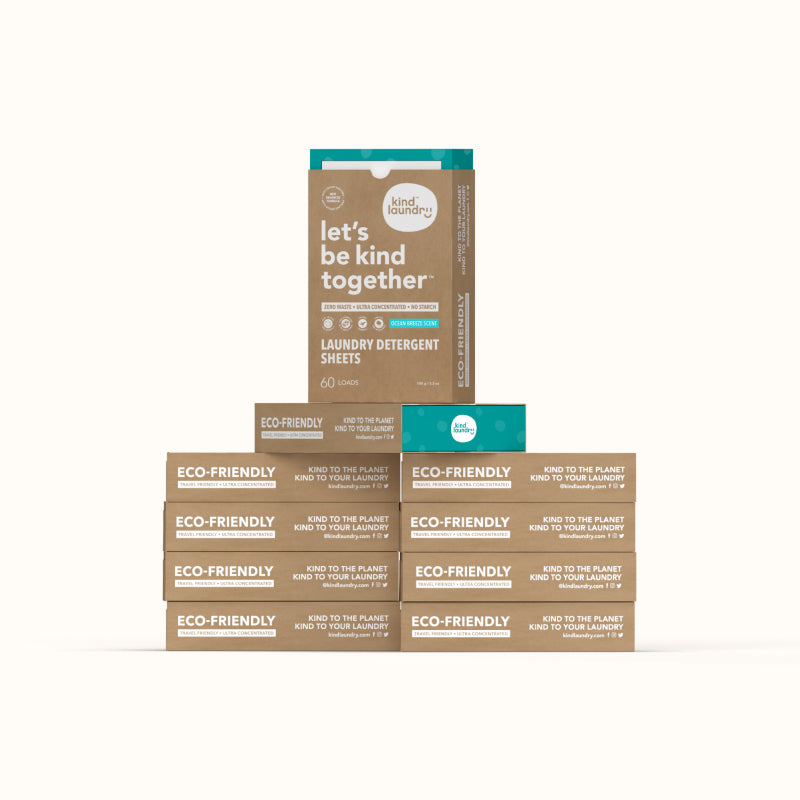
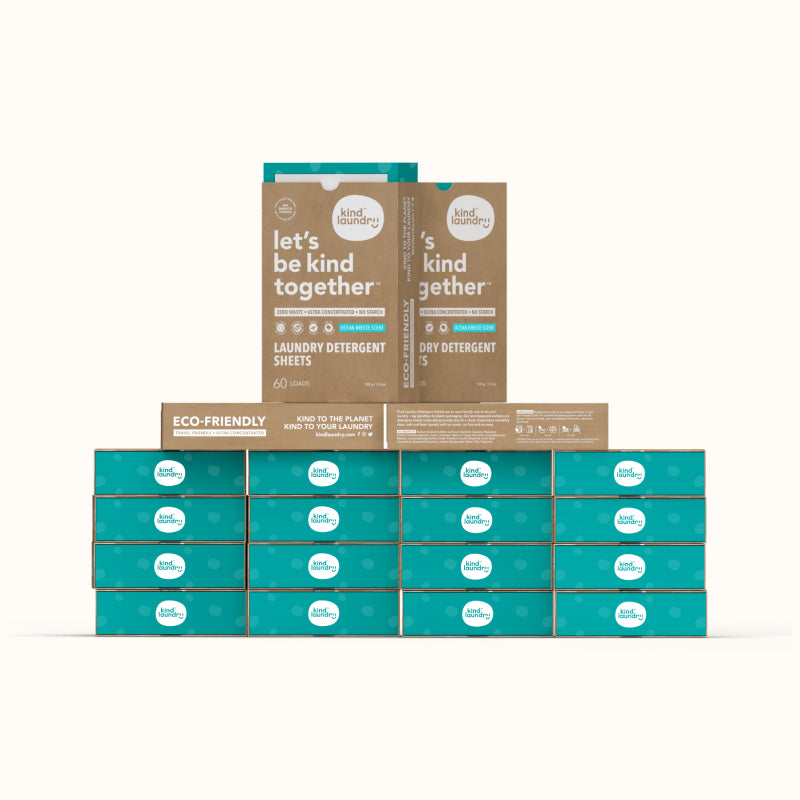
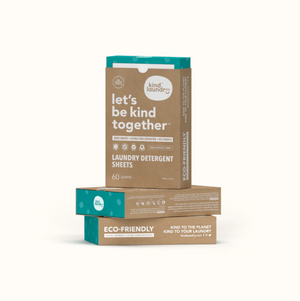
Kind Laundry Detergent Sheets, for example, use a concentrated, plant-based formula with stain-fighting enzymes. They are starch-free and designed to dissolve in cold water as well as work in high-efficiency machines. Those details matter because they address some of the most common concerns shoppers have when considering sheets: cleaning power, residue and machine compatibility.
Are Laundry Sheets Effective for Everyday Washing?
For typical household laundry, a quality detergent sheet can be a practical and effective choice. Think T-shirts, sleepwear, socks, undergarments, towels, sheets and lightly to moderately soiled children’s clothing.
In these situations, successful washing usually comes down to a few basics:
-
Using enough detergent for the size and condition of the load
-
Leaving enough room in the drum for clothing and water to circulate
-
Selecting an appropriate wash cycle
-
Treating visible stains before they set
-
Following the product’s directions
These principles apply to every detergent format. A liquid detergent can underperform when too little is used, a washer is packed too tightly or a dried-in stain is ignored. Laundry sheets are no different.
It is also important to separate cleaning from fragrance. A strong scent does not necessarily mean clothing is cleaner, and a subtle or fragrance-free result does not mean a detergent failed. Clean laundry should look and feel clean, with soil and unwanted odours removed. Fragrance is a preference—not a reliable performance test.
What About Tough Stains?
No honest discussion of detergent should suggest that one product, used one way, will remove every possible stain. Grass, grease, blood, makeup, tomato sauce and dried food all behave differently. The longer a stain sits—and especially if it goes through a hot dryer—the harder it may be to remove.
Enzymes can make a meaningful difference because different enzymes help break down different types of organic material. Kind Laundry’s formula includes seven enzymes to help address a range of common laundry stains rather than relying on the sheet format alone.
Even with a capable detergent, pretreatment remains one of the best ways to improve the outcome. Remove excess material, follow the garment’s care label, apply a suitable stain treatment and allow it time to work before washing. Check the item before transferring it to the dryer. If the mark remains, treat and wash it again; dryer heat can make some stains more difficult to remove.
For unusually dirty loads—such as muddy sports uniforms or workwear—you may need a stronger cycle, a larger dose or a product suited to that task. Follow the detergent and appliance directions rather than assuming one sheet is always the correct amount.

Do Laundry Sheets Dissolve in Cold Water?
Many people wash in cold water to reduce energy use, protect colour and prevent unnecessary wear on fabrics. A detergent sheet intended for cold-water washing should dissolve and disperse under those conditions, but correct placement and washer loading are important.
Kind Laundry sheets are designed to dissolve quickly in cold water. For the best result, place the sheet directly in the drum as directed rather than putting it into a dispenser intended for liquid detergent. Add the laundry without overfilling the machine, then choose the appropriate cycle.
If you ever notice undissolved detergent, check a few things before deciding the product does not work:
-
Was the machine packed too tightly?
-
Was the sheet placed where water could reach it easily?
-
Was the cycle extremely short or low-water?
-
Were several sheets folded tightly together?
-
Were the manufacturer’s instructions followed?
Giving the sheet direct contact with water and allowing clothing to move freely helps it dissolve and distribute through the load.
Will Laundry Sheets Leave Residue on Clothes?
Residue can occur with any detergent format. Common causes include using too much product, overloading the washer, choosing an unsuitable cycle, having very hard water or placing detergent where it cannot dissolve properly.
The formula itself also matters. Some laundry sheets use starch as a structural ingredient. Kind Laundry deliberately formulates detergent sheets without starch and describes its formula as quick-dissolving and residue-free when used as directed.
More detergent is not always better. Excess detergent can be difficult to rinse away and may trap soil rather than improve cleaning. Start with the recommended amount, then adjust only when the directions call for it—for example, with a larger or more heavily soiled load.
If residue is a recurring issue regardless of detergent, your washing habits or machine may need attention. Avoid overpacking the drum, clean the washer according to the appliance manual and consider whether hard water is affecting performance.
Laundry Sheets vs. Liquid Detergent
Liquid detergent remains familiar and flexible. It can be measured in different amounts, applied directly to some stains and found in formulas for nearly every laundry need. However, it can also be easy to overpour, messy around the cap and cumbersome to store or transport. Conventional liquid products are often sold in large plastic containers and include a significant amount of water.
Laundry sheets offer a simpler experience. They are pre-measured, compact and easy to handle. There is no cap to rinse, no sticky drip down the side of a bottle and no guessing where the fill line is.
The tradeoff is that dosing is less granular. You generally adjust by using part of a sheet or adding another sheet according to the package directions. People with highly variable load sizes or unusually demanding laundry may prefer the measurement flexibility of a liquid or powder.
Neither format wins in every category. The better choice is the one that delivers the cleaning performance you need while fitting your space, habits and priorities.
The Practical Benefits of Laundry Sheets
Cleaning performance comes first, but laundry sheets solve several everyday frustrations at the same time.
Pre-measured sheets make dosing straightforward and reduce the temptation to pour “a little extra.” There is no heavy bottle, sticky cap or powder spill, and the slim package fits where a large jug may not. That is particularly useful in apartments, dorms, shared laundry areas and homes where supplies must be carried between floors.
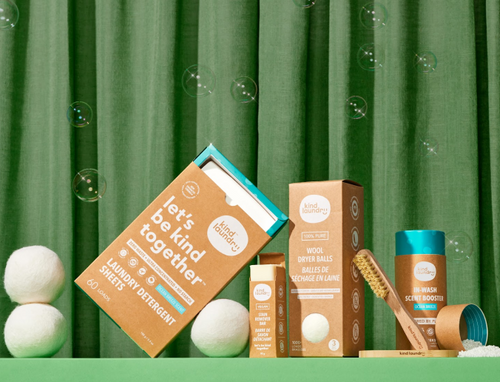
Sheets are also convenient for travel. You can pack only what you need for a cottage stay, camping trip or vacation without worrying about a liquid bottle leaking. And because conventional liquid detergent packaging must hold a heavy, water-based product, concentrated sheets can be packaged much more compactly. Kind Laundry uses recyclable paper packaging, offering an option for shoppers who want to reduce their reliance on bulky plastic detergent jugs.
Environmental impact is broader than packaging alone. Washing full loads when practical, choosing cold water when appropriate, caring for clothing so it lasts and avoiding unnecessary product use all matter too.
Can You Use Laundry Sheets in HE and Standard Washers?
Kind Laundry Detergent Sheets are compatible with high-efficiency and standard washing machines. They can also be used in top-loading and front-loading machines when the product directions are followed.
For most machines, the process is refreshingly simple:
-
Place the recommended amount of detergent sheet directly into the washer drum.
-
Add your laundry, taking care not to overfill the machine.
-
Select the cycle and water temperature that suit the fabrics and soil level.
-
Start the wash.
Always check the package instructions and your washing machine manual. Care labels on clothing should guide choices about temperature, cycle and drying.
How Much of a Laundry Sheet Should You Use?
The right amount depends on the brand, sheet size, load size and soil level. Do not assume that every sheet from every company represents the same amount of detergent.
Follow the dose shown on the package. A small or lightly soiled load may require less product, while a large or heavily soiled load may require more. If you are new to sheets, resist the urge to judge the thin format visually. Concentrated detergent is designed to deliver cleaning ingredients without the water and bulk found in a liquid jug.
Water hardness can also affect detergent performance. Hard water contains minerals that may interfere with cleaning and rinsing. If you consistently see dullness or poor results despite correct sorting, dosing and loading, investigate your local water conditions and follow relevant product or appliance guidance.
Are Laundry Sheets Good for Sensitive Skin?
Sensitive skin is highly individual. Some people prefer fragrance-free laundry products or formulas without certain ingredients, but “gentle” does not mean a product will suit every person.
Kind Laundry offers a Fragrance-Free option for households that prefer to wash without added scent. The sheets are also made without starch, dyes, parabens, phosphates, optical brighteners or chlorine bleach.
If you or someone in your household has eczema, allergies or known sensitivities, read the complete ingredient information, follow healthcare guidance where applicable and discontinue use if irritation occurs. Avoid assuming that “plant-based,” “natural” or fragrance-free automatically guarantees that a product will be suitable for everyone.
Common Laundry Sheet Mistakes—and How to Avoid Them
If someone tries laundry sheets once and is disappointed, the sheet may not be the only variable. These common mistakes can limit results:
-
Overloading the washer: Clothes need room to move so water and detergent can circulate.
-
Using too little detergent: An oversized or heavily soiled load may require more than the standard dose.
-
Skipping stain treatment: A concentrated, set-in mark often needs individual attention before washing.
-
Putting the sheet in the wrong place: Follow the manufacturer’s placement directions; a liquid dispenser may not release a sheet correctly.
-
Confusing scent with cleanliness: Judge whether soil and unwanted odour are gone, not whether a heavy fragrance remains.
-
Ignoring care labels: The wrong water temperature, cycle or dryer heat can damage fabric regardless of detergent choice.
So, Are Laundry Detergent Sheets Worth It?
Laundry sheets are worth considering if you want an effective everyday detergent that is simple to dose, compact to store and easy to carry. They can be an especially good fit for small spaces, shared laundry facilities, travel, busy households and anyone trying to move away from bulky plastic detergent jugs.
They may be less ideal for someone who frequently washes exceptionally dirty loads and wants very precise control over every dose, or who prefers to use liquid detergent itself as a stain pre-treatment. Even then, sheets may still work well for everyday clothing while a separate stain product handles specific messes.
The key is choosing a thoughtfully formulated product rather than buying based on format alone.

Why Kind Laundry?
Kind Laundry created its detergent sheets to make laundry feel lighter without asking customers to give up the things that matter most: clean clothing, simple use and a formula they can feel comfortable bringing into their homes.
The sheets combine plant-based cleaning ingredients with seven stain-fighting enzymes. They are starch-free, designed to dissolve in cold water and compatible with HE and standard machines. The compact recyclable paper packaging also removes the need for a bulky plastic detergent bottle.
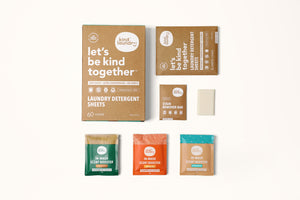
There are options for different preferences, including Fragrance-Free and a collection of scented varieties. For anyone unsure which fragrance suits their household, Kind Laundry’s Scent Discovery Kit offers a low-commitment way to explore the range before choosing a larger pack.
Most importantly, the format is designed to simplify a routine you repeat every week: take a sheet, place it in the drum and wash. No pouring, no spills and no oversized jug taking over the shelf.
The Final Verdict
Yes, laundry sheets really can work. A good detergent sheet dissolves in the wash and releases concentrated cleaning ingredients that lift everyday soil, oils, odours and stains. The result depends on the quality of the formula and how it is used—not on whether the detergent starts as a sheet, liquid, powder or pod.
For the best performance, choose a formula with purposeful cleaning ingredients, use the correct dose, avoid overloading the machine and pretreat difficult stains. Match the cycle to the fabric and level of soil, and give the detergent enough water and movement to do its job.
Kind Laundry Detergent Sheets bring those fundamentals together in a compact, convenient format made for real-life laundry. If you have been curious about making the switch, start with your regular everyday loads and compare the experience for yourself. You may find that effective laundry does not need to come in a heavy plastic jug after all.