




What Is a Laundry Detergent Allergy?
A laundry detergent allergy is technically a form of contact dermatitis — a skin reaction triggered by direct contact with an irritating or allergenic substance. In this case, the reaction comes from chemicals left behind in fabric after washing: synthetic fragrances, preservatives, optical brighteners, surfactants, and dyes are among the most common offenders.
There are two types to understand:
Irritant contact dermatitis occurs when a harsh ingredient damages the outer layer of the skin over time. This doesn’t require an immune response — it can happen to anyone with repeated exposure.
Allergic contact dermatitis is a true immune reaction, where your body identifies a specific ingredient as a threat and mounts a response. This type can develop even after years of using the same product without any issues.
Both can look very similar: red, itchy, inflamed skin — often where clothing sits closest to the body, like the torso, inner arms, neck, or groin.
Common Symptoms of a Detergent Allergy
Before testing, it helps to know what you’re looking for. Symptoms of a laundry detergent allergy typically include:
- Redness, itching, or a rash on skin that’s covered by clothing
- Dry, cracked, or scaly patches
- Hives or raised bumps
- Swelling or tenderness in affected areas
- Symptoms that flare after wearing freshly washed clothes or sleeping on freshly laundered sheets
One key diagnostic clue: if your symptoms are concentrated in areas covered by fabric — but not on your hands, face, or other exposed skin — detergent is a strong suspect. If the rash tends to clear up when you spend a few days in unwashed clothing (not ideal, but telling), that’s another useful signal.
How to Test for a Laundry Detergent Allergy
There are a few ways to determine whether your detergent is causing your skin problems.
The Elimination Method
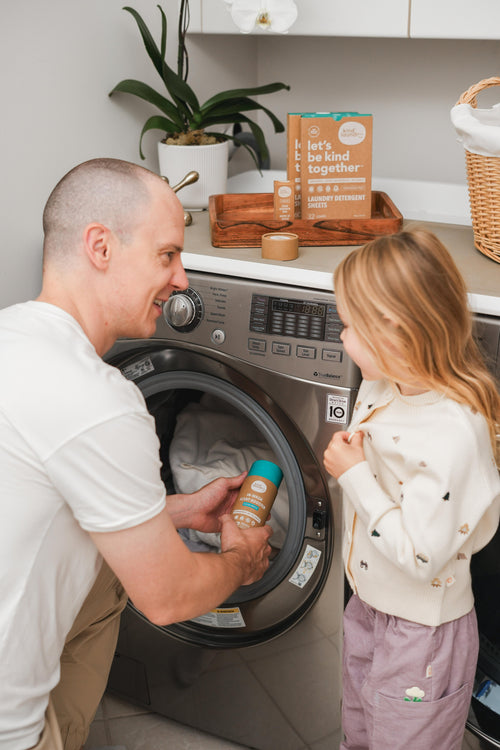
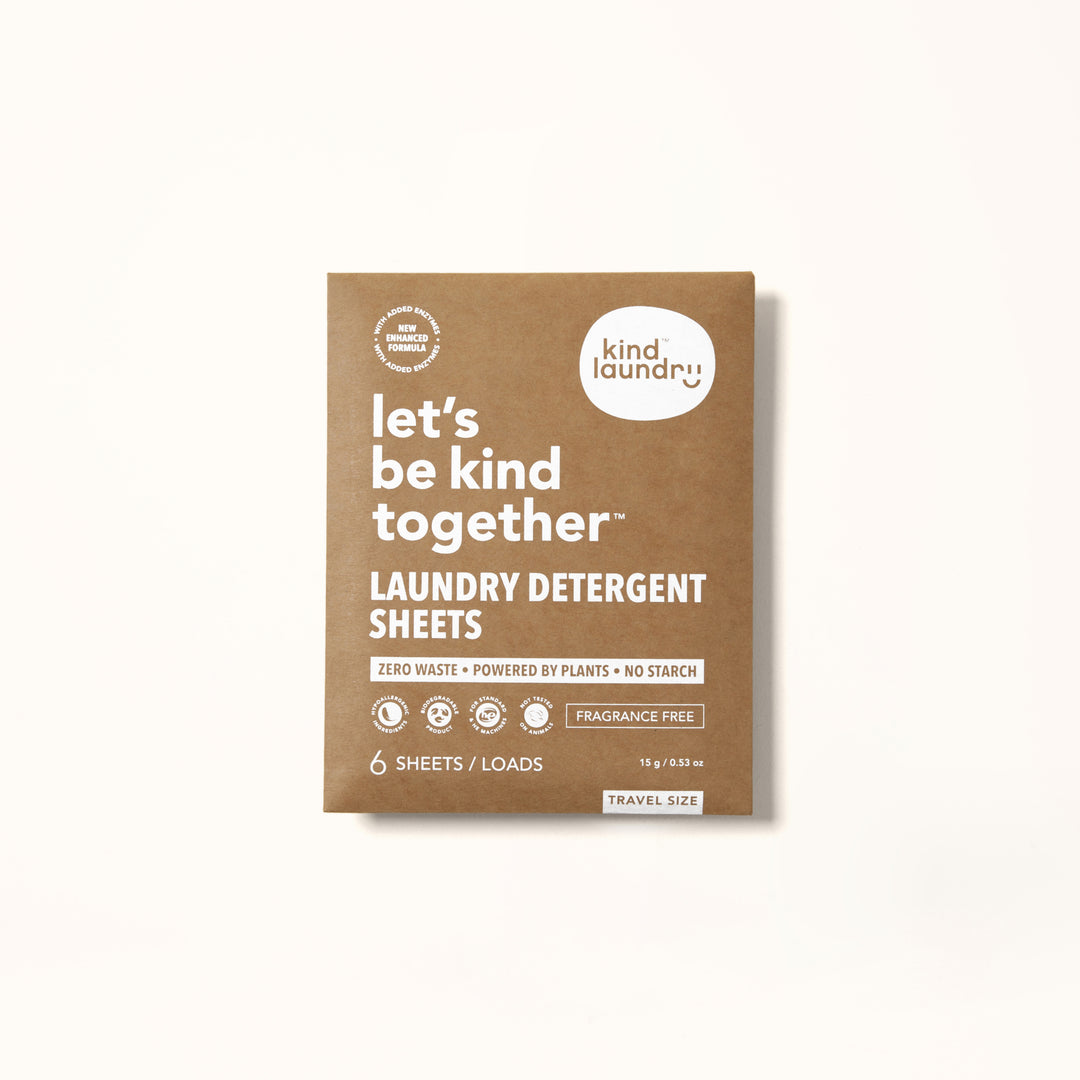
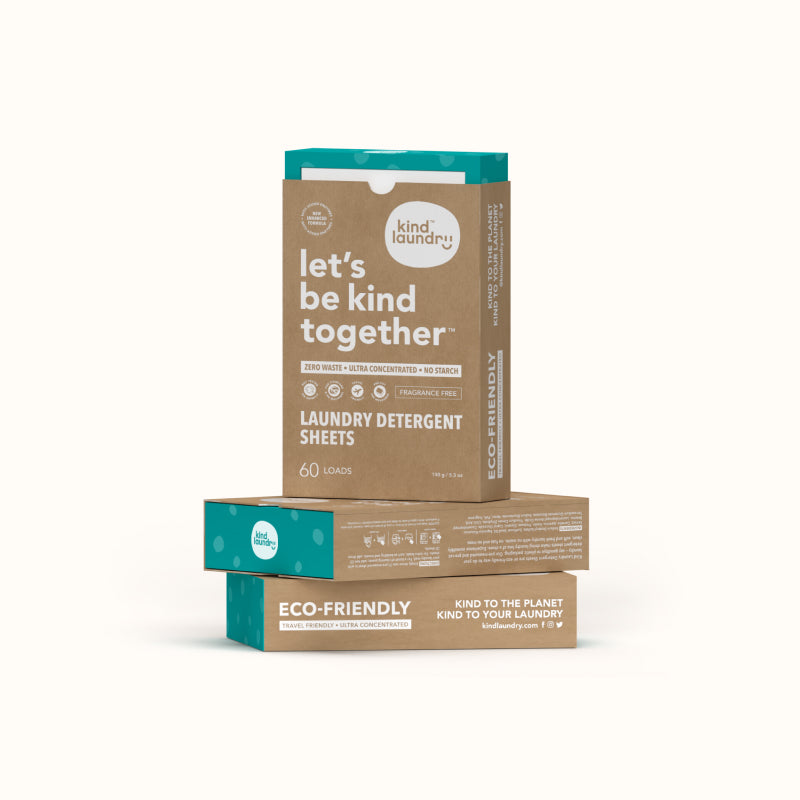
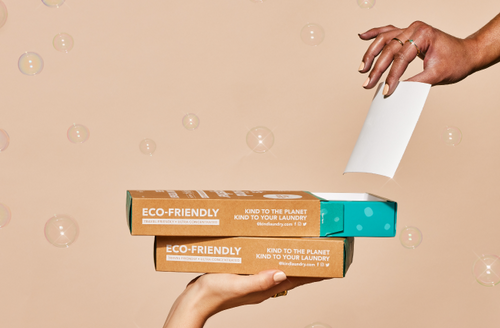
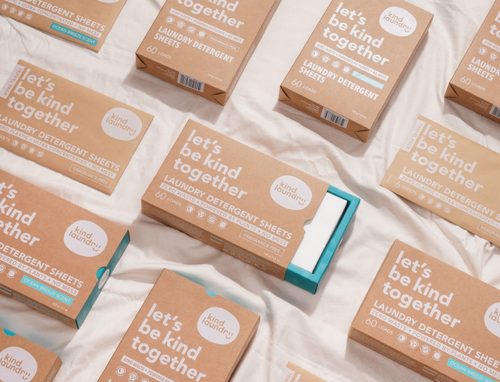
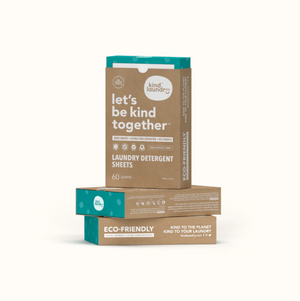
This is the simplest place to start. Switch to a fragrance-free, dye-free, hypoallergenic detergent — like Kind Laundry Fragrance Free Detergent Sheets — and rewash all your clothing, towels, and bedding. Then give your skin two to four weeks to respond.
If symptoms improve significantly, your old detergent was likely the issue. If nothing changes, the culprit may be something else — fabric softener, dryer sheets, or a different product entirely.
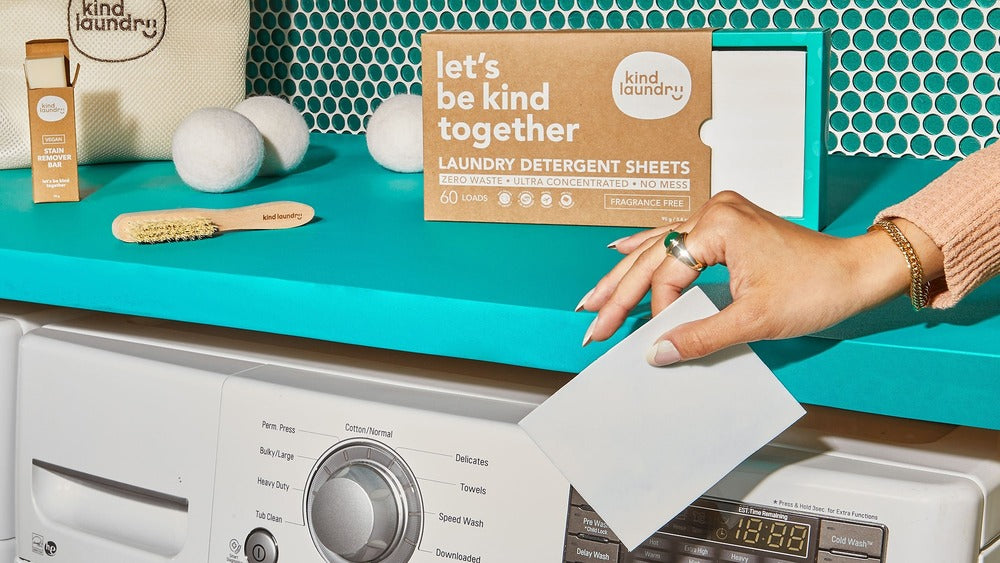
Kind Laundry’s Fragrance Free Detergent Sheets are an excellent choice for this test because they’re formulated without synthetic fragrances, dyes, parabens, or harsh chemical fillers. Each sheet is pre-measured, so there’s no guessing and no overloading — over-dosing detergent is itself a common irritant, as excess residue gets left behind in fabric.
The Patch Test (Done at Home)
You can do a rough version of a patch test on your own. Apply a small amount of your current detergent to the inside of your forearm and leave it in place for 24 to 48 hours under a bandage. If redness, itching, or swelling develops at that spot, you’ve got a strong indication of sensitivity to that product.
This won’t tell you which specific ingredient is causing the reaction, but it does give you a clear answer about that particular detergent.
See a Dermatologist for Patch Testing
If you need more precision — or if you’re trying to identify the exact chemical causing your reaction — a dermatologist can perform clinical patch testing. This involves applying small amounts of common allergens (including fragrance mixes, preservatives like methylisothiazolinone, and surfactants) to your back under adhesive patches for 48 hours, then evaluating the results.
This is the gold standard for diagnosing allergic contact dermatitis and can be incredibly useful if you’ve already switched products but are still experiencing reactions.
How Long Does It Take for a Laundry Detergent Allergy to Go Away?
Once you’ve identified the problem and removed the irritant, most people see improvement within one to three weeks — but this varies depending on how severe the reaction was and how thoroughly you’ve eliminated the allergen.
The key word here is thoroughly. Simply switching to a new detergent won’t resolve things if residue from your old detergent still lives in your fabrics. You’ll want to:
- Rewash all clothing, bedding, and towels with your new gentle detergent
- Run an empty cleaning cycle on your washing machine to remove any detergent buildup in the drum
- Ditch any fabric softeners, dryer sheets, or laundry boosters that may contain the same problematic ingredients
For mild reactions, skin can return to normal within a week or two once exposure stops. For more severe or long-standing reactions, it may take a month or more for the skin barrier to fully repair itself. If you’re dealing with significant inflammation, a dermatologist may recommend a short course of topical corticosteroids to speed healing.
The most important thing to understand is that continuing to use the offending detergent — even occasionally — can restart the reaction cycle and dramatically slow recovery. Total elimination is the goal.
Can You Develop a Detergent Allergy Later in Life?
Yes — and this surprises a lot of people. Many assume that if they’ve used the same detergent for years without problems, they’re in the clear. But allergic sensitization doesn’t work that way.
The immune system can become sensitized to a substance at any point, and once it does, future exposure triggers a reaction. In fact, it’s often repeated, prolonged exposure that leads to sensitization — meaning a product you’ve used for a decade could be the very thing your body has finally had enough of.
Several factors can make you more susceptible to developing a detergent allergy as an adult:
- Changes in skin barrier function that naturally occur with aging
- Hormonal shifts during pregnancy, menopause, or thyroid changes
- Increased skin sensitivity due to other skin conditions like eczema or psoriasis
- Accumulated chemical exposure from multiple personal care and household products
- New formulations — brands sometimes quietly change their ingredients, and your skin may react to the updated product even if you tolerate the old one
This is why so many people reach out to Kind Laundry after years of struggling with unexplained skin issues. They never connected the dots until switching to a cleaner, simpler detergent — and suddenly the rash they’d been treating for years disappeared.
Can Laundry Detergent Cause Folliculitis?
Folliculitis — inflammation of the hair follicles that presents as small, acne-like bumps, often itchy or tender — is typically caused by bacterial or fungal infection. But laundry detergent can absolutely play a role, either as a direct trigger or as a contributing factor.
Here’s how it works: detergent residue left on fabric can clog or irritate hair follicles, particularly in areas where clothing fits snugly against the skin — think the back, chest, thighs, and buttocks. This irritation can disrupt the skin’s natural microbiome and compromise the follicle’s defenses, making it more susceptible to infection.
Synthetic fragrances and preservatives in conventional detergents are particularly likely to cause this type of localized follicular irritation. Some people mistake detergent-related folliculitis for body acne or a heat rash and spend months treating the wrong thing.
If you’re experiencing recurring folliculitis — especially in areas covered by clothing — it’s worth trying the elimination method described above. Switching to a fragrance-free, residue-minimizing detergent like Kind Laundry’s Fragrance Free Sheets, and making sure your washing machine isn’t over-sudsing (which leaves more residue in fabric), can make a significant difference.
Making the Switch: Kind Laundry Fragrance Free Detergent Sheets
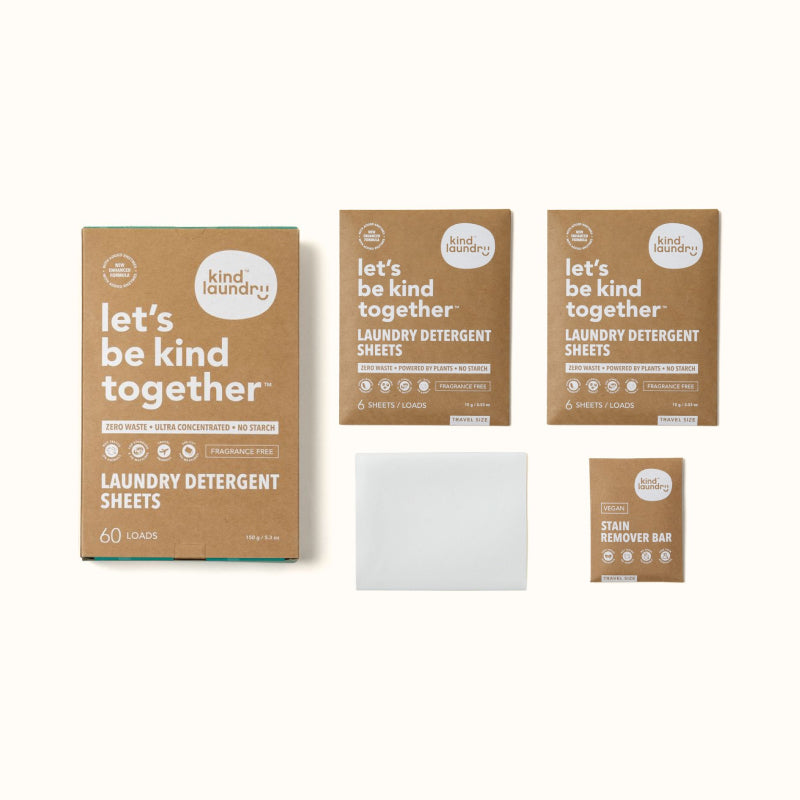
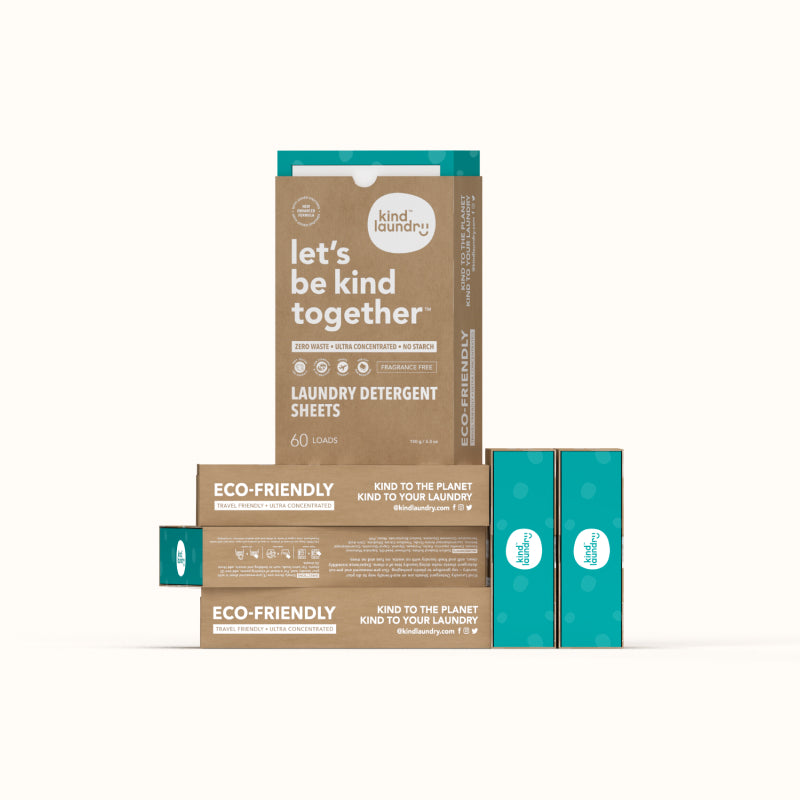
If you’ve been reading this thinking it might be time to try something new, Kind Laundry’s Fragrance Free Detergent Sheets are genuinely worth a look — especially if you have sensitive skin.
Here’s what makes them different from most detergents on the market:
- No synthetic fragrances — the number one allergen in most conventional detergents
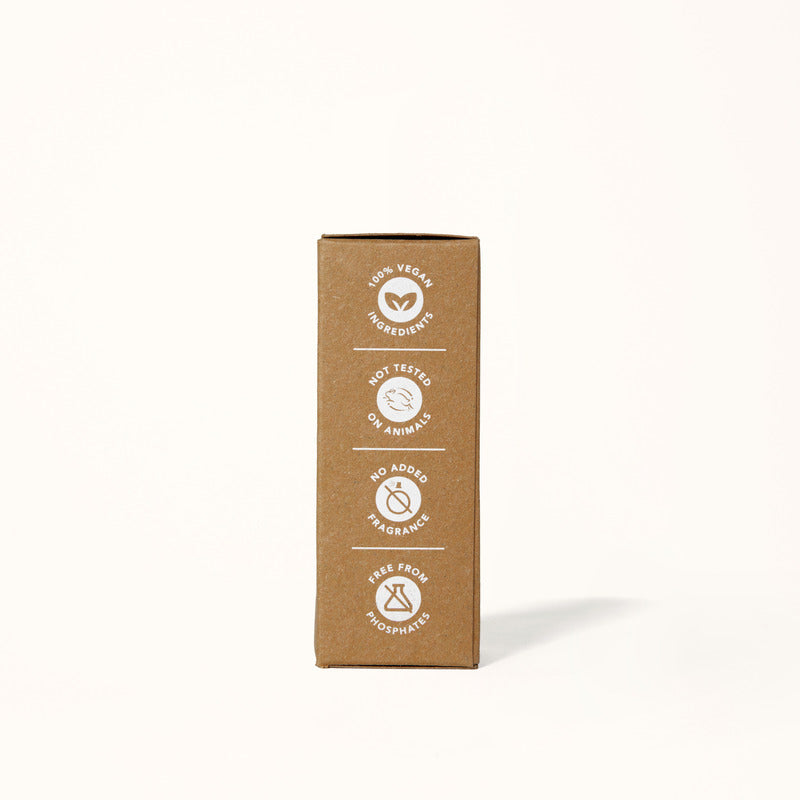
- No dyes, parabens, phosphates, or chlorine bleach
- Pre-measured sheets that dissolve completely in water, leaving no residue in your machine or your fabric
- Effective in cold water, which is actually gentler on both skin and clothing
- Plastic-free, compostable packaging — better for you and for the planet
The fragrance-free formula is specifically designed for people with sensitive skin, allergies, or eczema. It gets your laundry genuinely clean — no compromise on performance — without the unnecessary chemical additives that trigger skin reactions in so many people.
For households with babies, young children, or anyone prone to skin sensitivity, this is the kind of detergent you can feel good about using on everything.

Don’t Forget About Stains: The Kind Laundry Vegan Stain Remover Bar
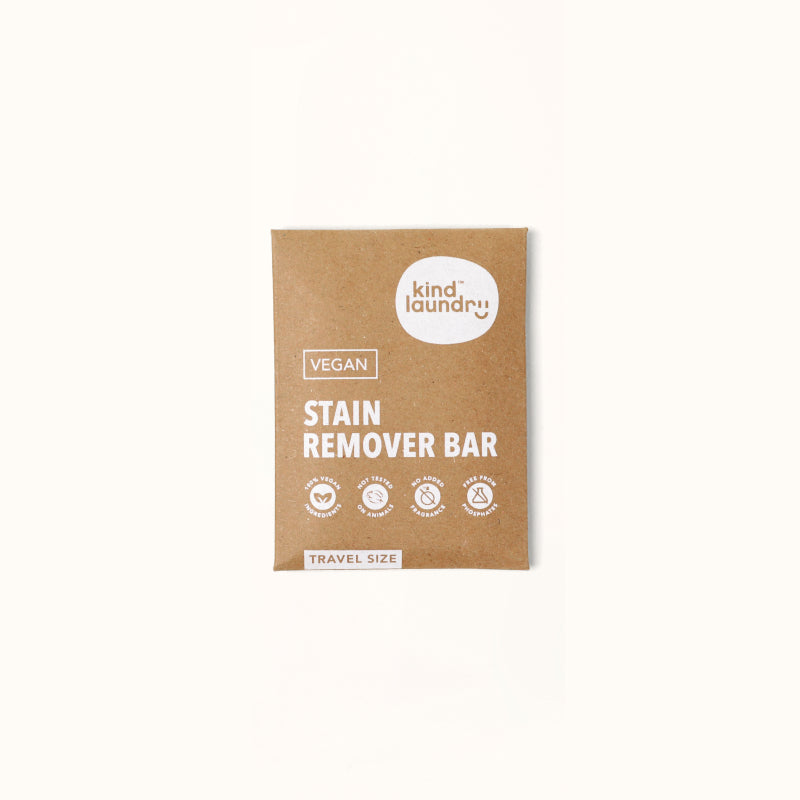
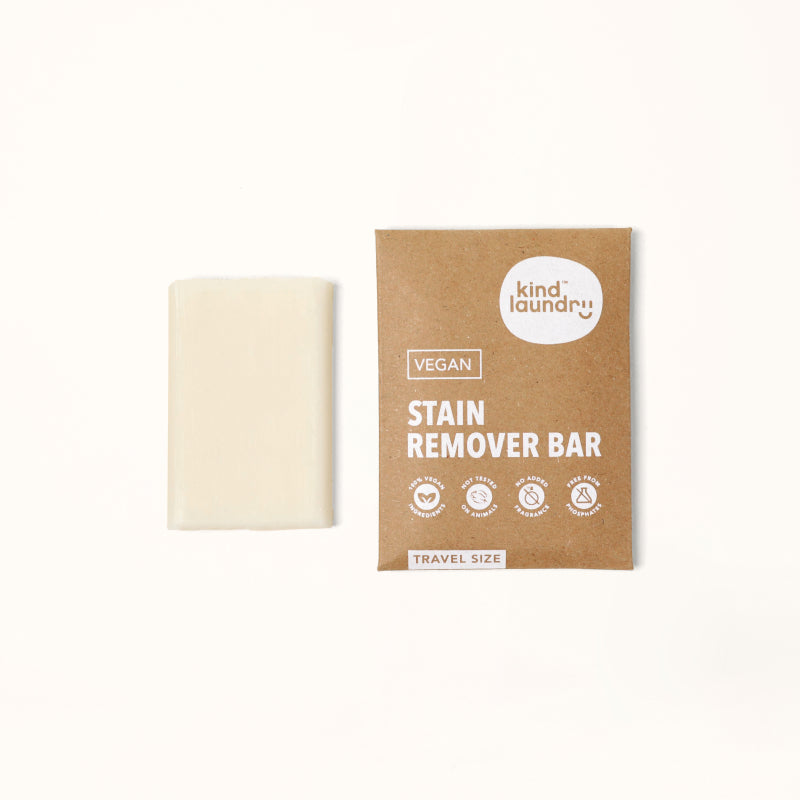
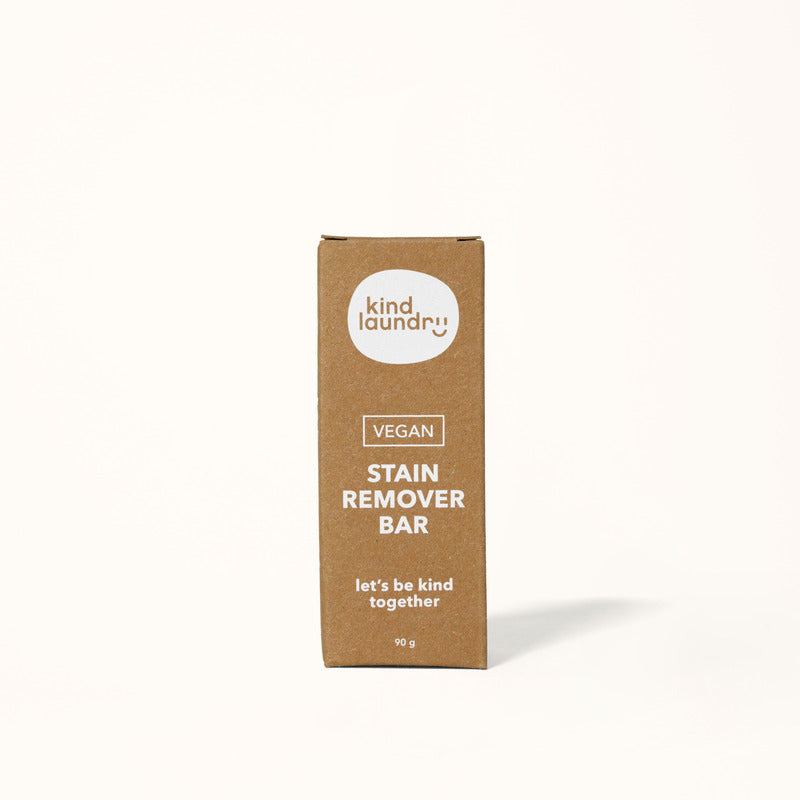
One concern people often have when switching to gentler detergents is whether they’ll lose stain-fighting power. That’s where the Kind Laundry Vegan Stain Remover Bar comes in.
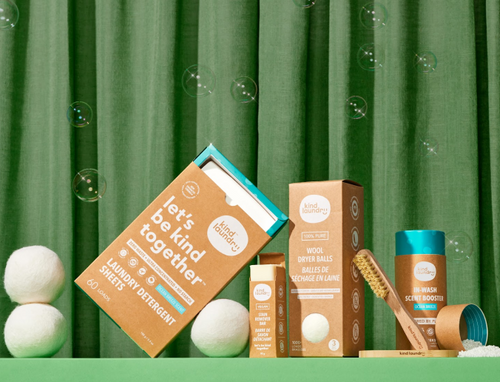
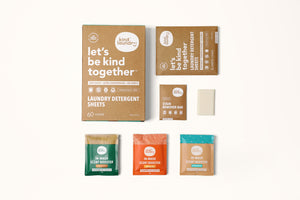
This solid stain remover bar is designed to tackle tough spots — grass, wine, grease, food, blood — before they go in the wash. It’s made with plant-based ingredients, free from harsh synthetic chemicals, and safe for sensitive skin. Just wet the bar, rub it directly onto the stain, let it sit for a few minutes, and wash as normal.
It’s a great companion to the Fragrance Free Detergent Sheets: together, they give you a complete laundry routine that’s tough on stains and kind to skin. No harsh bleach sprays, no aerosol pre-treaters with questionable ingredient lists — just a simple, effective, clean-formula bar that works.

Final Thoughts
A laundry detergent allergy can be genuinely disruptive — itchy skin, recurring rashes, and the frustration of not knowing what’s causing it. But it’s also one of the more solvable problems out there. Once you identify the source and make a clean swap, most people see real improvement relatively quickly.
Start with the elimination method. Give your skin a few weeks. Rewash everything with a clean, fragrance-free formula like Kind Laundry’s Fragrance Free Detergent Sheets. And if stubborn stains are a concern, keep the Vegan Stain Remover Bar in your laundry kit.
Your skin works hard to protect you. A little kindness in the laundry room goes a long way.